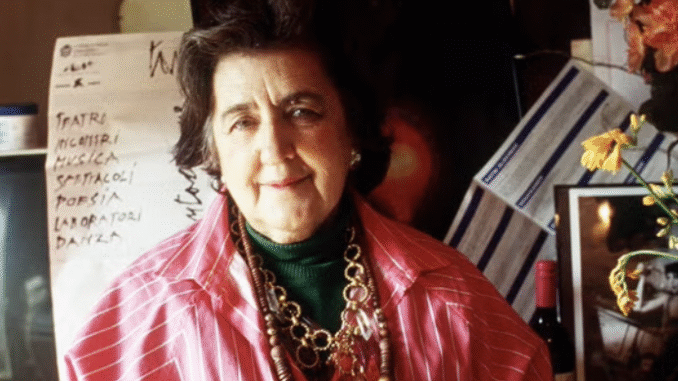
di Alda Merini
Amami
finchè sentirai il calore
di una fiamma tremula
che sempre arde,
difendendosi dai venti di scogliera.
Sono un pensiero
che non vuole mai
legare le tue mani
libere nel mondo,
anche se vorrei
che fossero solo mie.
Amami
ora che non ho parole
per farti innamorare
dei miei silenzi
pieni di gioia,
che non potrai vedere.
Amami ancora,
saranno solo gli occhi
a dirti la mia passione
e le mie labbra,
a raccontarti
cose difficili da dire.
Saremo noi,
un giorno forse
ad abbracciare solo i profumi
dei nostri corpi
senza paura
che l’assenza diventi una cosa vera.
Alda Merini’s poem Amami is a delicate meditation on love as both desire and freedom, exploring intimacy without possession. Right from the opening,
Merini invokes a metaphorical flame—“una fiamma tremula / che sempre arde”—to depict the enduring yet fragile nature of love. The image conveys warmth, light, and vulnerability, emphasizing that love requires care and protection against external forces (“difendendosi dai venti di scogliera”), suggesting both passion and resilience.
Merini immediately establishes a tension between longing and liberation. She presents herself as a “pensiero / che non vuole mai / legare le tue mani,” a thought that loves without constraining.
This paradoxical plea underscores a mature understanding of intimacy: true love does not dominate or imprison, yet it silently yearns for exclusivity (“anche se vorrei / che fossero solo mie”). In this, the poem captures a universal tension between desire for closeness and respect for autonomy.
Language and silence are central motifs.
Merini confesses that she lacks words to seduce her lover into understanding her inner joys (“ora che non ho parole / per farti innamorare / dei miei silenzi”), highlighting the ineffable quality of deep emotion.
Her focus shifts from verbal expression to sensory and physical experience—eyes, lips, and ultimately the scent of shared bodies—suggesting that love’s truest communication transcends language.
The closing lines convey a poignant meditation on absence and presence. The speaker envisions a moment when lovers can embrace the essence of each other without fear of loss (“senza paura / che l’assenza diventi una cosa vera”), implying that love thrives when it acknowledges impermanence and cherishes ephemeral closeness.