The Brisbane 2032 Olympic Games are shaping up to be a logistical marvel—but not without their challenges.
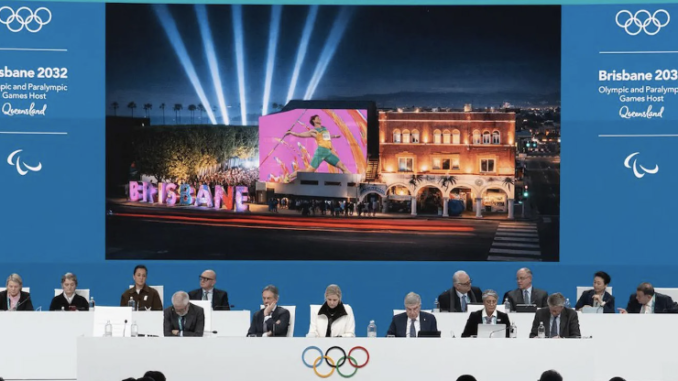
At a recent International Olympic Committee (IOC) Summit in Milan, the Brisbane Organising Committee received high praise for the progress made in commercial planning and operations. Yet, as President Andrew Liveris candidly acknowledged, the sprawling nature of the Games across Queensland is testing both budgets and planning.
Brisbane’s Olympics will stretch far beyond the city, with venues spanning Toowoomba in the west, Cairns and Rockhampton in the north, the Sunshine and Gold Coasts, Logan, and the heart of Brisbane itself. Liveris highlighted that managing a “dispersed Games” is no simple feat. “The bid budget bears little resemblance to reality right now,” he said, emphasizing the complex financial and operational demands of coordinating multiple venues across the state.
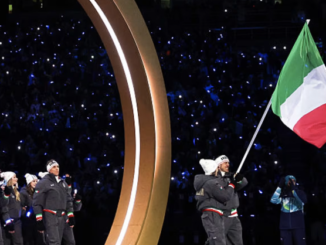
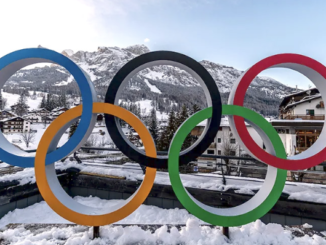
To ensure the Games deliver a seamless experience for athletes and spectators alike, Brisbane 2032 will closely observe the upcoming Milano Cortina Winter Olympics—the most geographically spread Winter Games in history. Lessons from Italy will guide decisions on transport logistics, athlete villages, and community engagement. Liveris stressed that while cost management is critical, the Games must remain enjoyable and accessible.
“Communities from Townsville to Toowoomba, from our two coasts to central Brisbane, should feel proud and excited to host the Games,” he said. “We want visitors and residents alike to enjoy the experience without disruption.”
Brisbane 2032 also confirmed its significant presence at the Los Angeles 2028 Olympics to continue refining strategies ahead of the 2032 event. Labour supply and venue readiness remain closely monitored, but Liveris expressed confidence that timelines will be met.
As the world watches Milano Cortina, Brisbane’s Olympic team is using the Italian example not just to avoid pitfalls, but to craft a Games that are innovative, efficient, and truly inclusive.