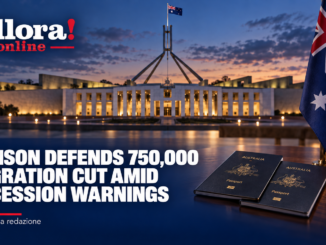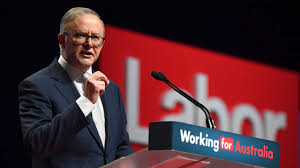
The new federal budget handed down by the government of Anthony Albanese is triggering a major political storm across Australia. According to several new opinion polls released in recent days, public trust in Labor is rapidly declining, while frustration is growing over the government’s housing and tax reforms announced by Treasurer Jim Chalmers.
At the centre of the controversy are changes linked to negative gearing and capital gains tax concessions for property investors. Many voters believe the government has broken key election promises made before the vote. Polling data now suggests that more than half of Australians trust the Albanese government less after the budget announcement.
The most shocking political development, however, concerns national leadership. A new Resolve Political Monitor poll reportedly places Opposition Leader Angus Taylor ahead of Albanese as voters’ preferred prime minister — a result that would have seemed almost unimaginable only a few months ago.
Concern is also growing inside Labor ranks. Surveys show that many Australians believe the housing measures will do little to solve the country’s housing crisis, while fears are increasing over rising rents and deeper generational divisions.
Personally, I believe this reflects a much bigger problem in Australian politics today: the widening gap between political promises and everyday reality. Housing in Australia is increasingly becoming a luxury, especially for young people and ordinary families. And once public trust is broken, it becomes very difficult to rebuild it through press conferences and political messaging alone.
The Albanese government came to power promising stability and economic security. Today, it finds itself facing a growing wave of public frustration that could significantly reshape Australia’s political landscape in the months ahead.