NSW is at a crossroads. While its public schools are more linguistically diverse than ever, the formal study of languages is in decline. This disconnect between the state’s multicultural reality and its educational offerings is not just a missed opportunity—it is a crisis that demands immediate attention.
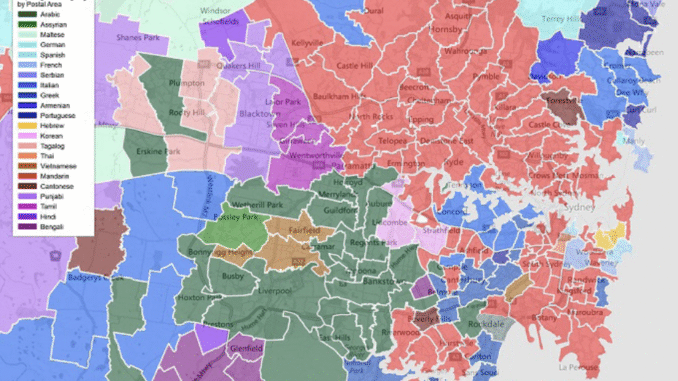
In March 2024, 39.3% of students in NSW Government schools came from homes where languages other than English were spoken. This represents 309,446 students. This is a slight increase from 38.6% in 2023, indicating a growing linguistic diversity in the state’s schools.
Despite this, the number of students enrolling in language courses for the Higher School Certificate (HSC) is alarmingly low. In 2024, only 5,066 students were enrolled in any language course, accounting for just 6% of the HSC cohort. This is a stark contrast to the over 70,000 students enrolled in English and nearly 62,000 in Mathematics.
One significant factor contributing to this decline is the scaling of subjects for the Australian Tertiary Admission Rank (ATAR). Languages often scale less favourably compared to subjects like Mathematics and Sciences, leading students to perceive them as less advantageous for university entrance. This perception discourages students from choosing language courses, even when they have the ability and interest.
Compounding the issue is the shortage of qualified language teachers, particularly in regional and remote areas. The 2023 inquiry into teacher shortages and education outcomes in New South Wales highlighted that many schools struggle to recruit and retain specialist language teachers. This results in reduced language offerings and, in some cases, the complete elimination of language courses from the curriculum.
For instance, schools in Western Sydney, such as Arthur Phillip High School, report that students speak over 70 different languages at home. However, the availability of formal language study does not reflect this diversity, leaving many students without the opportunity to formally study their heritage languages.
The decline in language education has far-reaching implications. Addressing this crisis requires a multi-pronged approach. First, ATAR scaling for language subjects should be reviewed to make them more attractive to students, signalling that language study is academically rigorous and valued. Second, investment in teacher recruitment and retention is critical, particularly in regional and remote areas, through incentives, training, and professional development programs. Third, the cultural value of language learning must be promoted through awareness campaigns highlighting the benefits of multilingualism for both career opportunities and personal development. Finally, heritage language programs should be supported, either within schools or through partnerships with community organisations, to ensure students can maintain and develop their cultural and linguistic identities.
By combining policy reform, teacher support, and cultural advocacy, NSW can create a language education system that reflects its diverse population and equips students for the global stage.
NSW’s educational system must evolve to reflect its linguistic diversity. Prioritising language education will equip students with the skills needed to thrive in a globalised world while strengthening social cohesion and cultural identity. This is not merely an educational imperative but a societal one, ensuring that all students can connect with their heritage and contribute meaningfully to the multicultural fabric of the state.