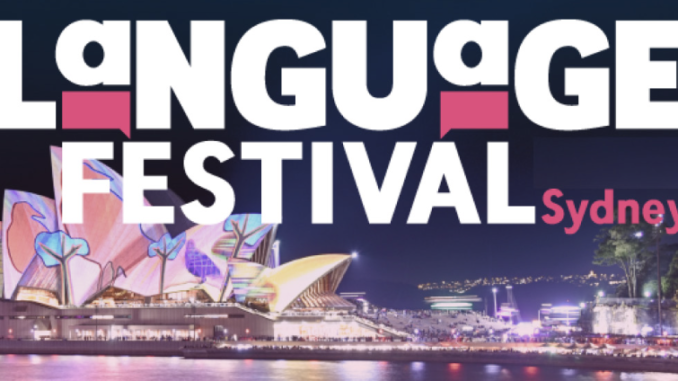
As Sydney prepares once again to host the Sydney Language Festival at the State Library of New South Wales, the list of languages set to be celebrated in 2026 is impressive in its diversity. From Aboriginal Australian languages to the constructed tongues of Solresol, Volapük, and Loglan, the festival promises to expose attendees to a fascinating array of linguistic culture. Yet, in scanning the line-up, one glaring omission stands out: Italian.
Once a staple of the festival’s community representation, Italian has been absent from the Sydney Language Festival since 2015. For a city where Italian culture has shaped neighborhoods, cuisine, and social life for over a century, this absence is striking. Sydney’s Italian community is one of the largest and most historically significant migrant groups in Australia. Italians arrived in waves, from early 20th-century arrivals seeking new opportunities to post-war migrants who became pillars of local business, food, and art. The Italian language, both in its spoken and cultural forms, has long been a living thread in the fabric of Sydney’s multicultural identity. Its absence from the festival’s stage raises questions about which voices are being prioritized in the city’s celebration of linguistic diversity.
Language festivals serve multiple purposes. They are educational, social, and celebratory, offering attendees the chance to engage with cultures they might not encounter in everyday life. They can also be political, reflecting which communities are recognized and validated by cultural institutions. By excluding Italian for over a decade, the festival inadvertently signals that some community languages are more “festival-worthy” than others. This is not to diminish the value of the other languages on the program.
From the heritage languages of Nagaland to the Pacific English-based creoles, these tongues are vital to the people who speak them. But the omission of Italian—an internationally recognized language with deep local roots—feels less like a reflection of demographic importance and more like a blind spot.
The reasons behind Italian’s absence may be varied. It could stem from assumptions that Italian is a “majority” or widely-known language, or that cultural engagement with Italian happens elsewhere, such as in festivals of food, film, or music. Yet this perspective underestimates the power of language itself as a living cultural practice.
Teaching children Italian, practicing the language socially, or sharing traditional stories are all activities that thrive in dedicated linguistic spaces