Australia has officially banned a Neo-Nazi organisation under sweeping new hate laws, marking one of the strongest moves yet against extremist groups operating in the country.
The group known as White Australia — previously operating under the names National Socialist Network and European Australian Movement — will now be classified as a prohibited hate organisation. The decision means supporting, recruiting for, funding or promoting the group could lead to prison sentences of up to 15 years.
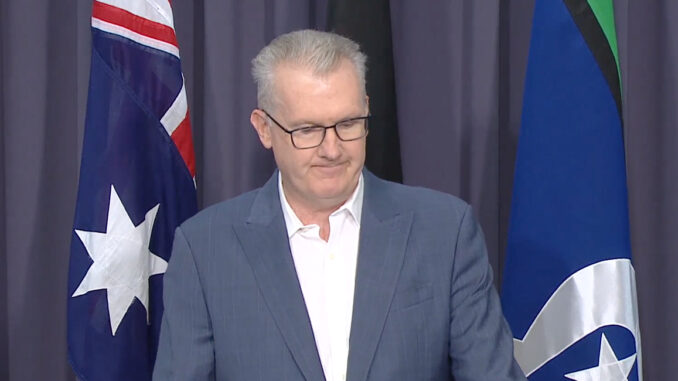
Home Affairs Minister Tony Burke said the listing sends a direct message that racial supremacy and organised hate “have no place in modern Australia.”
The move follows growing concern from security agencies over the visibility and organisation of far-right extremist networks across the country. Authorities have linked members and supporters associated with the movement to several confrontations and violent incidents, including disruptions at Indigenous rallies and anti-immigration demonstrations.
The decision also highlights how Australia’s national security priorities are evolving. For years, counter-terrorism efforts were largely focused on Islamist extremism, but intelligence agencies have increasingly warned about the rise of ideologically motivated violent extremism, particularly white supremacist movements.
What makes this law particularly significant is its attempt to prevent extremist groups from simply rebranding themselves. Authorities say changing names or structures will not allow organisations to escape prohibition. According to the government, if the same network reforms under a different banner, it can quickly be relisted through regulation.
The legislation itself was introduced after the Bondi terror attack and was designed to target organisations considered by intelligence agencies as “lawful but awful” — groups that may not always directly commit acts of terrorism but actively encourage hatred, intimidation and extremist ideology.
Supporters of the ban argue that the government is finally treating organised hate groups with the same seriousness applied to other forms of extremism. Jewish organisations and anti-racism advocates welcomed the decision, saying it sends an important signal that openly racist and violent ideologies will not be tolerated in Australia.
Critics, however, warn that banning organisations alone may not eliminate extremist beliefs. Some civil liberties groups have previously raised concerns about how far governments should go in restricting association and expression, especially when definitions of extremism can become politically sensitive.
Still, the Albanese government appears determined to present the crackdown as both a national security measure and a defence of social cohesion. Opposition figures have also backed the decision, suggesting there is now broad bipartisan consensus that extremist hate movements represent a growing threat to Australian society.
The broader challenge for Australia may not simply be banning organisations, but understanding why extremist ideologies continue to attract followers in an era marked by economic anxiety, online radicalisation and political polarisation.
The banning of White Australia may therefore be remembered not only as a legal decision, but as a sign of a country increasingly confronting tensions around identity, nationalism and social division in the digital age.