Milestone celebration sees beloved program reach 200th episode.
By Tom Padula
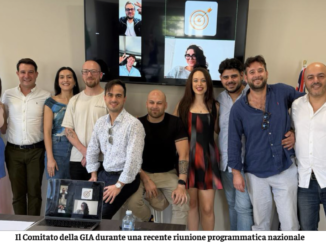
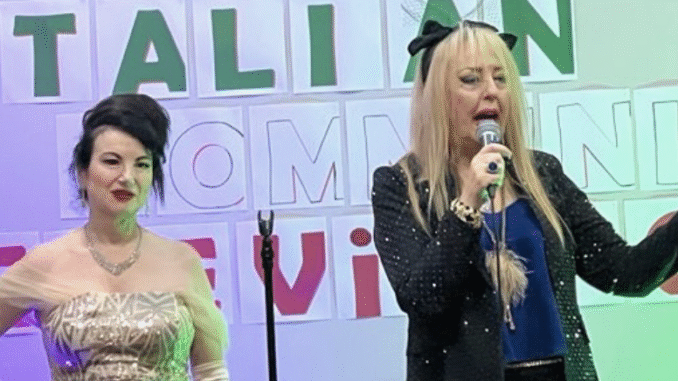
Channel 31’s Italian Community Television has celebrated a renaissance with an enthusiastic gathering at Essendon’s Trieste Social Club, marking both the rebirth of community broadcasting and a significant milestone for one of its flagship programs.
The afternoon event, organised by the ICTV Committee and hosted by president Maria Luisa Lo Monte, drew a strong turnout of both longstanding supporters and newcomers eager to join the revitalised television venture. The celebration doubled as a tribute to GRAN BAZAR, Lo Monte’s pioneering series that has reached its remarkable 200th episode since launching in 1994.
The program featured performances from musicians, singers, actors and models, all contributing to what organisers described as a “first program” showcasing the renewed energy surrounding Italian community television. The festivities concluded with the ceremonial cutting of a celebration cake.
Italian Community Television boasts an impressive legacy spanning more than three decades of weekly broadcasts across Melbourne and Geelong. Tom Padula TV, which began as Insegna Media in April 2001, has become a cornerstone of the community’s media landscape, producing diverse content covering culture, theatre, poetry, interviews and travel programming.
The broadcaster’s digital expansion has significantly broadened its reach, with content now available across multiple platforms including YouTube, Spotify, Facebook, Instagram and the dedicated insegna.com website.
This online presence has attracted viewers from around the globe, extending the reach of Italian-Australian cultural content far beyond traditional broadcast boundaries. Among the platform’s enduring successes is Caterina Borsato’s Italian Regional Cooking, which continues to draw substantial audiences, alongside Joe De Martino’s popular Baccala Comedy programs.
These shows represent just a fraction of the diverse programming that has appeared on Channel 31 throughout its broadcasting history.
The ICTV rebirth signals fresh opportunities for emerging producers to develop television content that can seamlessly transition between traditional broadcasting and modern digital platforms.
This hybrid approach reflects the evolving media landscape while maintaining the community television ethos that has sustained Italian broadcasting in Melbourne for generations.
The revival comes at a time when community television faces ongoing challenges from streaming services and digital disruption, making the enthusiasm demonstrated at the Trieste Social Club gathering all the more significant for Melbourne’s Italian community.