Perched high above the valleys of Marche near the Catria range, the medieval town of Cantiano in the province of Pesaro-Urbino offers visitors a rare blend of history, sacred tradition, and natural beauty.
Surrounded by centuries-old beech forests, including the expansive Tecchie woods, Cantiano has been a crossroads since Roman times along the Flaminia road. Its historic centre preserves remarkable architectural treasures: St. John the Baptist’s collegiate church, St. Niccolò, St. Augustin, and the ancient St. Crescentino’s parish, likely dating to the late 10th century, alongside the town hall in Luceoli Square and a museum housed in a former 13th-century Augustinian convent. These sites, together with the town’s medieval streets, offer a vivid glimpse into centuries of Italian life.
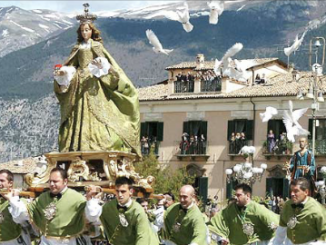
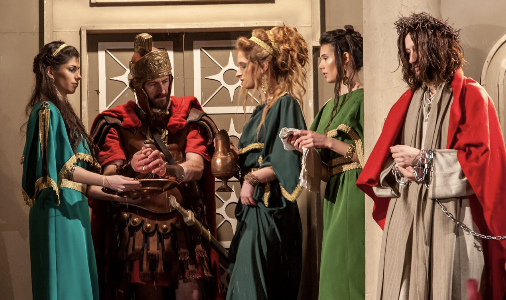
Yet, Cantiano’s most extraordinary claim to fame is its annual Good Friday tradition, La Turba (“The Crowd”). This sacred re-enactment of Christ’s Passion transforms the town’s streets into a living stage each year, drawing locals and visitors alike into a moving spectacle of devotion and drama.
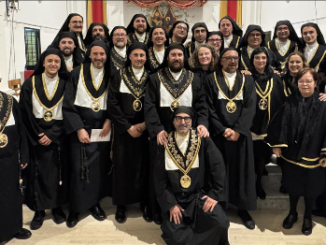
Participants don period costumes and embody key biblical characters, while the deep beat of Roman soldiers’ drums and the haunting strains of hymns and chants heighten the solemnity. The event culminates in the erection of three empty crosses and the proclamation of hope through Christ’s resurrection, leaving spectators with a profound sense of reflection and community.
The origins of La Turba date back to the mid-13th century, inspired by popular movements that arose amid the incessant conflicts between Guelphs and Ghibellines in Marche and Umbria. Ordinary people, weary of constant warfare, took to the streets in marches that combined prayer, protest, and a plea for peace.
Though the tradition was interrupted only during World War II, it has flourished ever since, earning recognition as one of Italy’s most ancient and significant popular religious events. Each year, regardless of weather, the re-enactment begins promptly at 8 p.m., drawing a dedicated audience moved by the blend of history, faith, and spectacle.
Cantiano is also renowned for its culinary and natural treasures. The visciola di Cantiano, a spontaneous native black cherry, enjoys international acclaim, while the traditional Chiaserna bread—made with pure spring water and without additives—reflects the town’s deep connection to the land and its artisanal heritage. Together with La Turba, these local specialties offer visitors an immersive experience of Marche’s culture, history, and spirituality.
In Cantiano, Good Friday is more than a religious observance: it is a living testament to faith, resilience, and the enduring power of communal and rich traditions.
La Turba preserves a vivid link to the past, ensuring that the devotion, history, and identity of this Marche town continue to resonate for generations to come