The turquoise waters of the Maldives — long marketed as a paradise for divers, honeymooners and luxury travelers — became the scene of tragedy this week after five Italian tourists died during a deep-sea dive near the Vaavu Atoll.
Authorities in Malé confirmed that the group disappeared during a morning underwater excursion near Alimathaa Island, one of the archipelago’s most renowned diving destinations. Their bodies were later recovered after an intensive search operation.
Italian officials say the divers may have been exploring underwater cave formations at depths reaching nearly 50 meters, well beyond standard recreational diving limits. An investigation remains ongoing, and no official cause of death has yet been confirmed.
But among diving experts, attention has quickly turned toward one of the sport’s most feared hazards: oxygen toxicity, a rare but potentially fatal condition associated with deep dives involving high-pressure breathing gas mixtures.
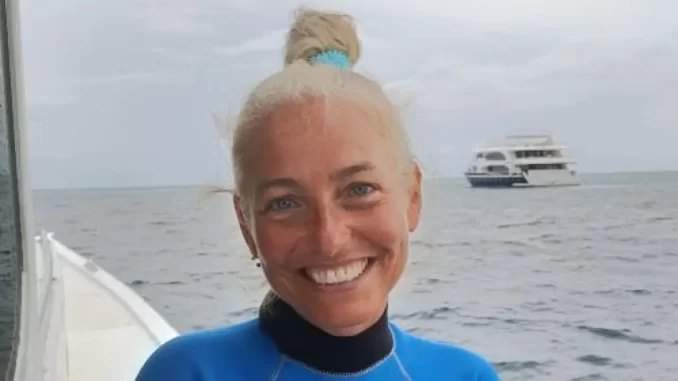
The victims included a marine ecology researcher and associate professor from the University of Genoa, known in Italy for her work on ocean conservation projects. The others were reported to be from Milan, Padua, Novara and the Turin area.
For Italy, the accident has struck a particularly emotional chord. Diving culture occupies a unique place in the country’s relationship with the sea — part sport, part scientific exploration, part Mediterranean identity. But the incident also underscores the increasingly blurred line between adventure tourism and high-risk expedition diving.
The Maldives, especially the Vaavu Atoll, have become globally famous for dramatic underwater channels known as “kandu,” where powerful currents attract sharks, manta rays and large pelagic species. These same currents, however, can quickly turn hostile even for experienced divers.
Local weather warnings had reportedly been issued in the area at the time of the dive because of rough sea conditions and worsening weather.
Maurizio Uras, an Italian dive master interviewed by AGI, suggested that the depth itself may have been the decisive factor.
“At certain depths, oxygen becomes toxic if the gas mixture is not properly calibrated,” he explained, noting that technical dives beyond recreational limits require carefully adjusted blends involving helium and reduced oxygen concentration.
Yet even experienced professionals remain puzzled by one detail: how five divers could have simultaneously encountered fatal distress.
“That is what surprises me most,” Uras said. “If they were experienced, it is strange they would not have checked these variables carefully beforehand.”
The tragedy comes at a moment when the global adventure tourism industry continues to expand rapidly. Extreme diving, deep cave exploration and technical underwater expeditions — once reserved for specialists — are increasingly marketed to affluent international travelers seeking more immersive experiences.
In destinations like the Maldives, where luxury tourism and marine adventure coexist almost seamlessly, the commercial pressure to offer increasingly spectacular experiences has transformed remote underwater environments into accessible attractions.
But nature does not negotiate with branding.
At 50 meters below the surface, human error, equipment miscalculation or sudden environmental changes leave little margin for survival.
Italian diplomats in Colombo and the Foreign Ministry in Rome are assisting the victims’ families while Maldivian authorities continue their investigation.
For now, many questions remain unanswered beneath the waters of the Indian Ocean.
And behind the postcard image of paradise, five families in Italy are waiting for answers.