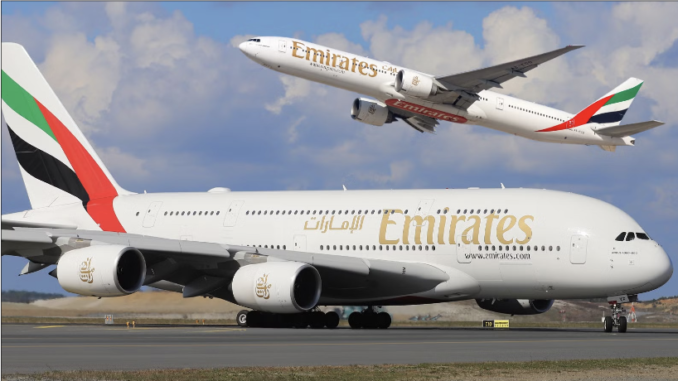
Air travel across the Gulf region is showing a fragile recovery as geopolitical tensions continue to disrupt routes and push ticket prices sharply higher. In the United Arab Emirates normal operations are gradually returning after months of interruptions linked to the conflict involving the United States, Israel and Iran. Dubai and Abu Dhabi hubs central to global transit traffic are again functioning but remain exposed to sudden shocks.
Emirates has restored nearly 80 percent of its schedule from Dubai according to flight monitoring data and reported record annual profits supported by strong liquidity reserves. Air Arabia and Etihad are operating at around 60 percent of pre crisis levels while Qatar Airways and flydubai remain close to half capacity.
However the recovery has been repeatedly disrupted by security incidents including drone attacks that forced diversions to Oman and Saudi Arabia. European carriers such as Lufthansa Air France KLM and British Airways have stepped in to capture demand on Asia bound routes. Data from pricing analysts show that direct flights from Europe to Asia are often more expensive than itineraries routed through Gulf hubs.
Prices on key corridors such as Paris Mumbai and Frankfurt New Delhi have ranged between 665 and 956 euros exceeding comparable Gulf carrier fares. Meanwhile Europe Asia routes via the Gulf have recently offered cheaper options on long haul journeys like London Singapore and London Bangkok. Regulatory uncertainty is adding pressure as European institutions negotiate a reform of passenger rights rules expected to conclude in June 2026. Consumer groups warn that higher delay thresholds and narrower definitions of extraordinary circumstances could weaken compensation for travelers.
Passengers are advised to keep bookings and check airline policies before making any cancellation decisions or refund claims closely. Market analysts expect continued volatility throughout 2026 as geopolitical risks remain elevated across the region.