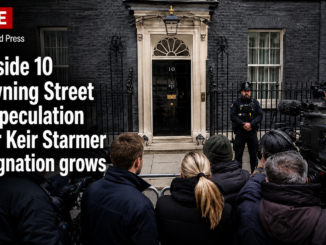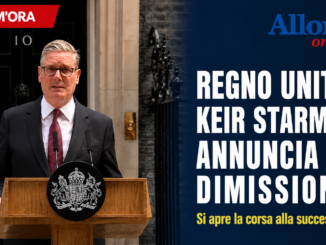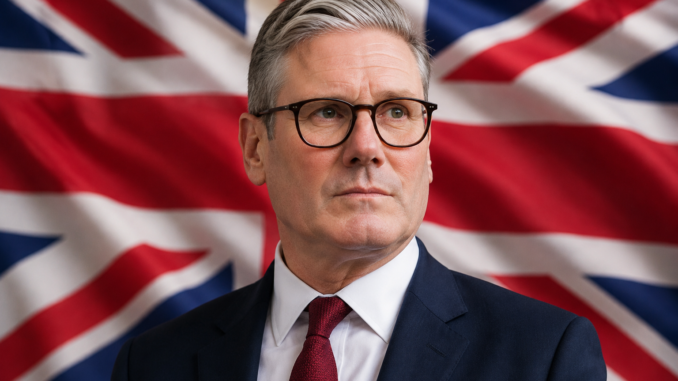
In United Kingdom, the question is no longer whether Keir Starmer will step down — but when.
According to reports from the Daily Mail, the British Prime Minister has privately admitted to close allies that his position has become politically unsustainable and that he is preparing an “orderly and dignified” exit from Downing Street. While no official resignation has yet been announced, the atmosphere inside the Labour Party increasingly feels like the beginning of the end for Starmer’s leadership.
The political damage caused by Labour’s disastrous local election results earlier this month appears to have accelerated internal tensions within the party. What was once presented as a stable alternative to years of Conservative chaos is now showing deep fractures, uncertainty, and growing panic over the rise of populist forces.
At the centre of the succession rumours stands Andy Burnham, the powerful Labour mayor of Greater Manchester and one of the most recognisable figures on the British left. Upcoming by-elections in Makerfield, expected to take place around June 18 following the resignation of Labour MP Josh Simon, could open the door for Burnham’s return to Westminster — a necessary step if he wants to challenge for the Labour leadership and eventually replace Starmer as Prime Minister.
Inside Westminster, many already see Burnham as the man preparing for the next phase.
The timing could hardly be more dramatic. Labour is facing mounting pressure not only from internal divisions but also from the continued rise of Nigel Farage and Reform UK. What once looked like isolated protest voting is increasingly becoming a serious political threat. Even traditionally safe Labour constituencies are no longer guaranteed victories. In Makerfield, Labour’s majority over Farage’s movement at the 2024 general election was just over 5,000 votes — a margin now considered dangerously fragile.
Meanwhile, Charles III continues formally presenting the government’s legislative agenda, but behind the ceremonial appearances Britain’s political system appears deeply unstable. Starmer, who entered office promising competence and calm after years of national turbulence, now finds himself trapped between a restless party, falling public confidence, and a political climate increasingly driven by anger and frustration.
For many observers, the crisis goes beyond one individual leader. It reflects a broader collapse of trust in mainstream politics across much of the Western world. Voters are no longer satisfied with carefully managed messaging or technocratic promises. They are demanding leadership capable of reconnecting with ordinary people facing economic pressure, insecurity, and growing social division.
And when mainstream parties fail to answer those fears, alternative movements rapidly fill the vacuum.
The coming weeks could therefore reshape British politics entirely. Starmer may attempt to remain in office a little longer, but the machinery of succession already appears to be moving. Burnham’s possible return to Parliament is being watched not as a local political event, but as the potential beginning of a battle for the future of Labour — and perhaps for the future of Britain itself.
Because when a Prime Minister starts discussing the timing of a “dignified exit,” it usually means one thing:
The political countdown has already begun.