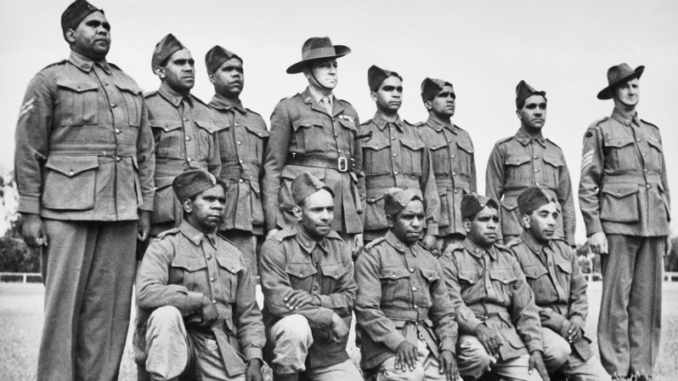
Today, Australia commemorates ANZAC Day, yet many Indigenous servicemen and women remain largely unrecognised for their contributions and sacrifices. Among them are Aboriginal and Torres Strait Islander soldiers who enlisted in the First World War, served with courage, and returned to a country that did not fully acknowledge their service.
Historical records suggest more than a thousand Indigenous Australians fought overseas, many sustaining injuries or losing their lives while wearing the ANZAC uniform. Despite this, returning Indigenous veterans were often denied equal rights, including access to pensions, healthcare, and the respect granted to non-Indigenous soldiers.
This exclusion occurred within a broader policy environment shaped by racial discrimination, including the White Australia policy established in 1901. Such frameworks reinforced inequality and contributed to the long-term marginalisation of First Peoples within Australian society, including those who had served in war.
Many Indigenous ANZACs returned home only to face restricted opportunities, limited recognition, and ongoing barriers to basic services that others received. In recent years, Australia has begun to acknowledge these forgotten soldiers more openly, yet many communities argue that recognition remains largely symbolic rather than structural.
Calls for meaningful reform, including constitutional recognition and improved disability support for Indigenous peoples, aim to address ongoing inequalities.
Remembering these ANZACs long overlooked is essential to understanding Australia’s history and ensuring future generations acknowledge their service with dignity. Education and public storytelling play a crucial role in correcting historical omission, ensuring that Indigenous service is taught accurately in schools, museums, and community commemorations. This process also involves listening to First Peoples voices, recognising lived experience, and confronting the legacy of policies that excluded them from full citizenship rights.
True reconciliation requires more than remembrance; it demands structural change that honours the service and humanity of all ANZACs equally across the nation.
Ultimately, acknowledging these long-unrecognised Indigenous ANZACs is about fairness, truth-telling, and national integrity. It asks Australia to confront uncomfortable aspects of its past and to recognise that service in war did not shield Aboriginal and Torres Strait Islander people from discrimination at home.
By honouring their legacy properly, the nation strengthens its commitment to equality and shared history for future generations across Australia today.