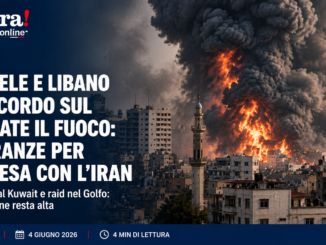
Israeli Prime Minister Benjamin Netanyahu has ordered fresh military strikes against Hezbollah-controlled southern suburbs of Beirut, marking a significant escalation in the conflict that continues to destabilize the Middle East.
According to a statement released by Netanyahu’s office, the Israeli leader and Defence Minister Israel Katz instructed the Israeli military to target what they described as “terrorist infrastructure” in Dahiyeh, Hezbollah’s stronghold in southern Beirut.
Israel accused Hezbollah of repeatedly violating the ceasefire and continuing attacks against Israeli cities and civilians.
Rising Regional Tensions
The latest military action comes at a sensitive moment for regional diplomacy. Iran’s Foreign Ministry spokesperson, Esmaeil Baghaei, stated that Israeli attacks in Lebanon are among the factors delaying diplomatic efforts aimed at ending the broader U.S.-Iran conflict.
Tehran has repeatedly argued that any comprehensive regional agreement must include a ceasefire in Lebanon.
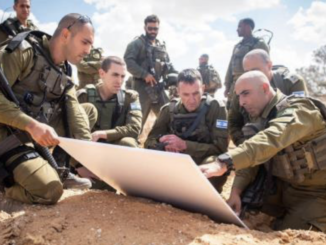
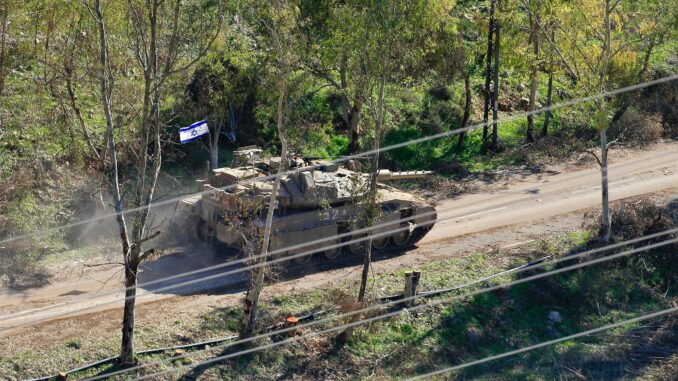
The Israeli decision follows a weekend of intensified fighting in southern Lebanon. Israeli forces reportedly captured the historic Beaufort Castle, a strategic fortress dating back approximately 900 years, while Netanyahu ordered an expansion of ground operations.
Heavy Human Cost
Lebanese authorities report that more than 3,370 people have been killed in Israeli attacks since March 2, when Hezbollah entered the conflict in support of Iran during the U.S.-Israeli confrontation.
Israeli officials say 24 soldiers and four civilians have been killed during the same period.
The conflict has displaced more than one million people across Lebanon, according to Lebanese authorities, creating one of the region’s most serious humanitarian crises in recent years.
Israel has also established what it describes as a security zone in southern Lebanon, arguing that the measure is necessary to protect communities in northern Israel from Hezbollah attacks.
Hezbollah Responds
Hezbollah rejects Israeli accusations and says its operations are a response to ongoing Israeli military actions.
The group announced that it carried out 21 military operations on Sunday, including rocket attacks targeting what it described as Israeli military infrastructure in the northern city of Nahariya.
The organization continues to maintain that it has the right to resist what it calls Israeli occupation and aggression.
International Diplomatic Efforts
Amid growing concerns over the expanding conflict, France has called for an emergency meeting of the United Nations Security Council.
Meanwhile, the United States continues diplomatic efforts to prevent further escalation. U.S. Secretary of State Marco Rubio reportedly held discussions with Lebanese President Joseph Aoun and Prime Minister Netanyahu regarding a potential de-escalation framework.
According to U.S. officials, Washington has proposed that Hezbollah halt attacks on Israel in exchange for Israel refraining from further escalation in Beirut.
The proposal is intended to create conditions for a gradual reduction in hostilities and eventually lead to a more durable ceasefire.
However, Lebanese Parliament Speaker Nabih Berri, a close Hezbollah ally, stated that the group would be prepared to commit fully to a ceasefire if Israel first stopped its military operations.
The situation remains highly volatile, with analysts warning that further escalation in Lebanon could undermine broader diplomatic efforts aimed at reducing tensions across the Middle East.
Source: Reuters