Tensions are escalating across the Gulf as Tehran says the Strait of Hormuz will not reopen until its demands are satisfied. Explosions have been reported near Qeshm and Sirik, a tanker has been struck in the strategic waterway, while the Houthis claim attacks on Saudi Aramco facilities.
Iran says the Strait of Hormuz will remain closed until Washington accepts seven conditions linked to what Tehran describes as the “Islamabad Memorandum”.
Iranian parliament speaker and chief negotiator Mohammad Bagher Ghalibaf said the United States had submitted proposals through an intermediary after Tehran presented a seven-day roadmap for reopening the vital shipping route. He insisted, however, that Iran would not reopen the strait until its conditions were met. Testo incollato
The announcement comes amid reports of a rapidly deteriorating security situation around the Gulf.
Iranian media reported several explosions near Qeshm and Sirik, close to the Strait of Hormuz, with the Fars news agency suggesting the sounds may have been connected to gunfire directed at vessels allegedly violating navigation rules. The cause had not been officially confirmed. Testo incollato
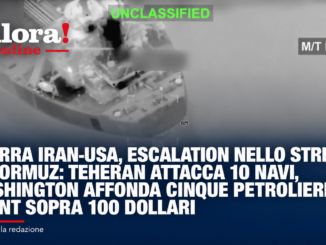
Meanwhile, a tanker reported being hit by an unidentified projectile while transiting the Strait of Hormuz. The vessel sustained damage to its engine room, although all crew members were reported safe and no environmental damage was immediately reported. Testo incollato
The crisis is also widening across the region.
Yemen’s Houthi movement claimed it had launched ballistic missiles and drones against Saudi Aramco facilities in Riyadh and Khurais, saying the attacks hit their targets and caused major fires. Those claims have not been independently verified in the material provided. Testo incollato
At the same time, clashes in Yemen are intensifying, with government forces announcing a major campaign against Houthi-controlled territory.
The Strait of Hormuz remains one of the world’s most strategically important maritime routes, particularly for global energy supplies. Any prolonged disruption could have major consequences for oil markets, shipping and international trade.
The situation is developing.