
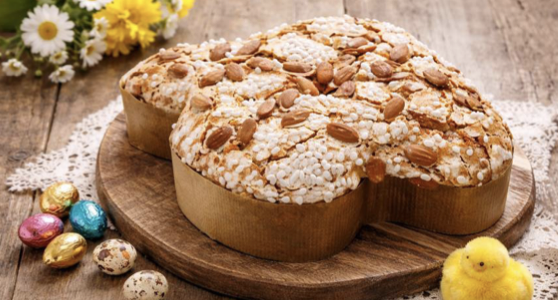
As Easter Day approaches, the Italian table comes alive with rituals that blend faith, family, and food. Among these traditions, few are as iconic—or as beloved—as the colomba pasquale, the doveshaped cake that has become a symbol of the season. Today, this classic dessert is not only a staple of Italian households but also a centrepiece of modern culinary creativity.
With its soft, fragrant dough, studded with candied fruit or chocolate and topped with almonds and sugar glaze, the colomba evokes a sense of comfort and continuity. Whether enjoyed at home with family or shared among friends on holiday, it represents the sweetness of Easter and the deeper meanings associated with the occasion: peace, renewal, and resurrection.
The origins of the colomba are steeped in a mix of legend and historical reconstruction. The dove itself holds clear symbolic value within Christianity, representing peace and salvation. However, the story of the cake’s creation is less certain, shaped by centuries of storytelling.
One of the most enduring legends dates back to 572 AD, during the siege of Pavia by the Lombard king Alboin. After a long and brutal conquest, the citizens sought mercy by offering gifts to their new ruler.
According to tradition, it was only when they presented soft, dove-shaped loaves of bread that Alboin was moved to spare their lives. The gesture transformed a moment of conflict into one of reconciliation—an origin story that aligns perfectly with the symbolism of Easter.
Another tale from the Lombard era centres on Saint Columbanus. Invited to a lavish banquet by Queen Theodelinda during Lent, the saint was troubled by the abundance of meat served during a period of penance. Rather than offend his host, he offered a blessing over the dishes. Miraculously, the meat was said to have turned into white, doveshaped loaves of bread—an act that reinforced both faith and tradition.
While these stories enrich the cultural tapestry of the colomba, historians generally agree that the modern version of the cake is a much more recent creation.
The colomba as we know it today owes its widespread popularity to a brilliant marketing insight in the 1930s. Dino Villani, an innovative advertising director working for the Milanese company Motta, sought to address a practical problem: how to keep production going after the Christmas season, when demand for panettone—one of Italy’s most famous festive cakes— declined sharply.
Villani’s solution was simple yet transformative. By using the same dough as panettone but reshaping it into a dove and associating it with Easter, he created a new seasonal product. The colomba was born not just as a dessert, but as a strategic reinvention of an existing tradition.
The idea proved immensely successful. Other producers, including historic bakeries such as Vergani, quickly followed suit, contributing to the diffusion of the colomba across Italy. Over time, it became so ingrained in national culture that it was officially recognised as a traditional Italian agri-food product.
Today, the colomba continues to evolve. While the classic version—with candied orange peel and almond glaze—remains a favourite, modern interpretations have expanded the boundaries of tradition. Artisan bakers and renowned chefs now experiment with a wide range of flavours, incorporating ingredients such as pistachio, dark chocolate, wild berries, and even tiramisu cream.
From rich, chocolate-filled variations to refined gourmet editions made with premium ingredients, today’s colombe cater to every taste. This variety not only keeps the tradition alive but also introduces it to new generations and international audiences.
And whether one chooses a classic recipe or a contemporary twist, one thing remains certain: the colomba is far more than a cake. It is a celebration of Easter itself—sweet, symbolic, and meant to be shared.
Be the first to comment