
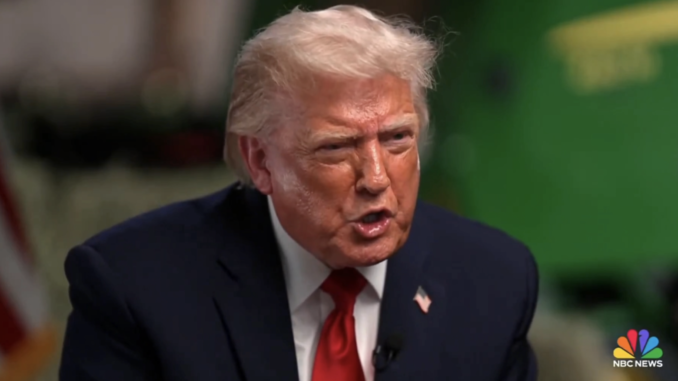
needs a leader who can bring “harmony and peace,” asserting U.S. authority in the region. He also suggested that Cuba could be the next target of American influence, claiming Havana seeks a new agreement with Washington. Trump’s insistence on involvement mirrors his previous interventions in Venezuela, highlighting a strategy of shaping leadership in countries viewed as hostile. Meanwhile, military operations continue in Iran and neighboring countries. The Senate recently blocked a bipartisan resolution aimed at limiting U.S. war powers, giving Trump free rein to conduct military operations. Reports indicate that Iran launched drones targeting Azerbaijan, causing injuries and property damage, with Tehran attributing the strikes to Israel. Azerbaijani President Ilham Aliyev called the attacks “terrorist acts” and warned of retaliatory measures. The regional conflict extends across the Gulf, Lebanon, and Iraq, with U.S. and Israeli forces conducting airstrikes while Iran’s Revolutionary Guards respond with missile and drone attacks. NATO has strengthened defensive postures in response to Iranian missile threats, though no collective defense measures have been activated. Civilian casualties and infrastructure damage continue to mount, raising fears of a broader escalation. As the situation develops, the international community watches closely. Trump’s assertive statements and ongoing military campaigns signal a volatile mix of diplomacy, military force, and political maneuvering, underscoring the fragile stability of the Middle East.
Be the first to comment