
Preventing cancer from spreading remains one of the biggest challenges in oncology. While primary tumors can often be treated, metastases—the migration of cancer cells to other organs—are responsible for the majority of cancer-related deaths.
Now, groundbreaking research from Professor Vahé Nerguizian at École de technologie supérieure, University of Montreal, offers a promising approach to stopping this deadly process.
For over eight years, Nerguizian’s team has studied lipid-based nanoparticles, microscopic vesicles just 100 nanometers in size, which shuttle genetic information between cells. In healthy circumstances, these extracellular vesicles play a role in cell communication. However, in cancer, vesicles from tumor cells can transfer genetic material to healthy cells, converting them into cancerous ones and facilitating metastasis.
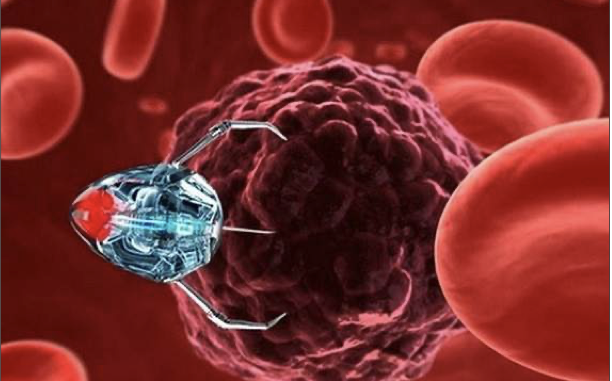
The innovative twist? These very vesicles may also be harnessed to fight cancer. By creating artificial replicas of tumor-derived vesicles, researchers can study how cancer spreads and deliver anti-cancer drugs directly to tumor cells.
Unlike traditional chemotherapy, this targeted approach promises higher effectiveness with reduced toxicity and fewer side effects, offering new hope to patients.
“Our goal is to uncover how cancer metastasizes and to use that knowledge to block it,” explains Nerguizian. “By leveraging the natural transport mechanisms of these nanoparticles, we hope to develop therapies that not only treat tumors but prevent their spread, improving patient survival rates.”
While still in early stages, this research represents a potential paradigm shift in cancer treatment—turning cancer’s own microscopic couriers into agents of healing and opening doors to more precise, personalized therapies in the future.



Be the first to comment